
Overview
API Call Instructions
API call process:
- Authorization: The first step of pre-authorization transaction requires calling Authorization Request to create a pre-authorization order (need to set the value of captureDelayHours in the interface to -1)
- Pre-authorization Void: Merchants call Pre-authorization Reversal to reverse the pre-authorization order. If a pre-authorization transaction is reversed, the originally reserved funds will be released back to the cardholder's account. This operation typically occurs when an order is canceled or modified.
- Pre-authorization Void Query: Merchants call Pre-authorization Reversal Query to confirm whether the pre-authorization transaction has been successfully reversed. Merchants can use this query to determine if the reserved funds have been released back to the cardholder's account.
- Pre-authorization Capture: Merchants call Capture, which triggers the actual fund transfer, moving the previously reserved amount from the cardholder's account to the merchant's account. If the transaction is not captured, the pre-authorized funds will be released back to the cardholder's account.
- Pre-authorization Capture Query: Merchants can call Pre-authorization Capture Query to confirm whether the deduction was successful, check if the reserved funds still exist, or whether the pre-authorization transaction has been reversed.
In the processing of credit card transactions, "Auth Capture" (authorization and capture) is a very common process, especially in online transactions. This process can be divided into two main stages: Authorization and Capture. Below is a simple explanation of these two stages:
Business Process
Authorization
When a customer uses a credit card to shop online and submits an order, the merchant first sends an authorization request to the customer's credit card (need to set the value of captureDelayHours in the interface to -1).
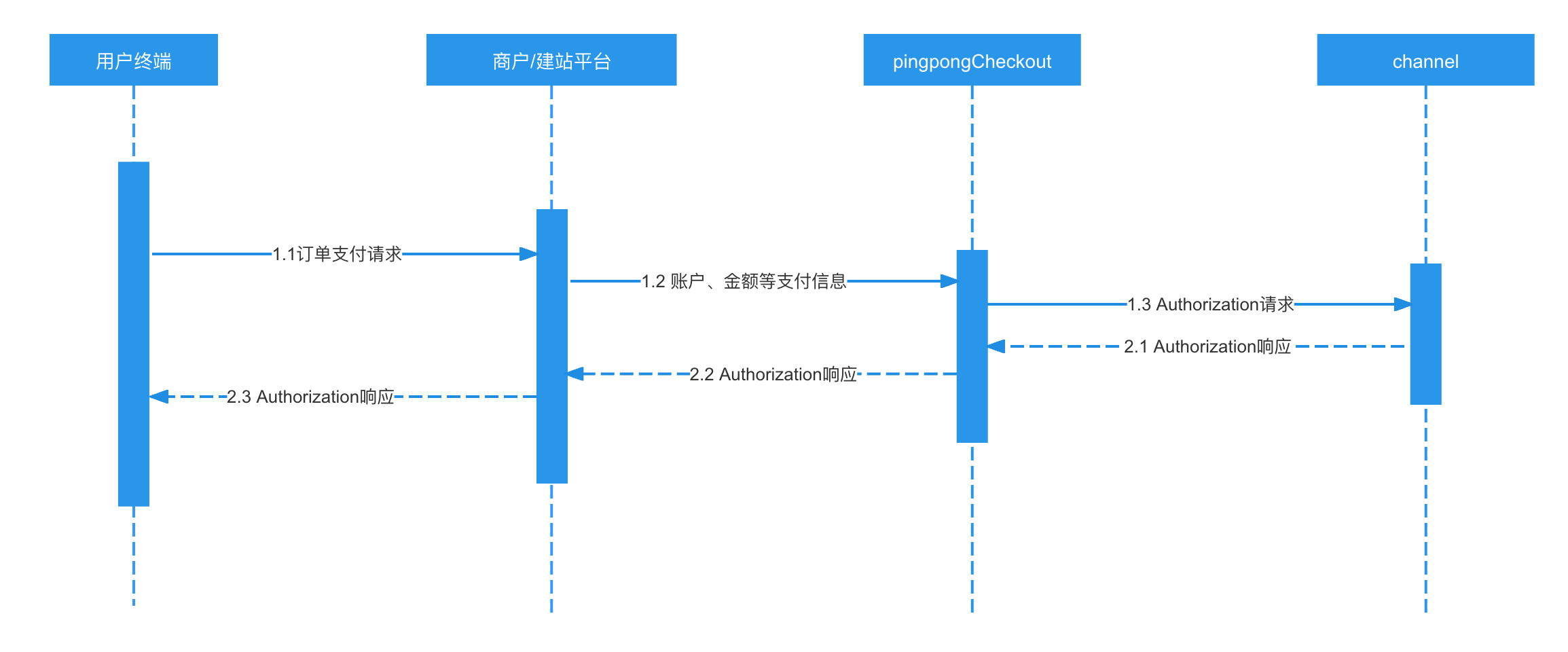
Capture
After the goods are shipped or the service is completed, the merchant needs to send a capture request to the bank to complete this transaction. The capture request tells the bank that it can deduct the previously authorized frozen amount from the customer's account. After receiving the capture request, the bank will officially deduct the funds from the customer's account and transfer these funds to the merchant's account. This marks the completion of the entire payment process.
Example
Suppose you order a book from an online bookstore for $30.
- When you submit your order, the bookstore will request $30 authorization from your credit card issuing bank.
- If your credit card passes verification and there is sufficient limit in your account, the bank will reserve this $30 and provide an authorization code.
- When the bookstore ships the item, they will execute the capture operation, actually deducting this $30 from your account and starting the fund transfer process.
Usually, authorization and capture are performed synchronously. However, in certain cases, merchants may need to perform these two steps at different time points. For example, when a product requires customization or reservation, merchants may obtain authorization when customers place orders, then execute capture when the product is actually ready and shipped.
Additionally, it should be noted that each authorization has a validity period. Within this validity period, merchants must perform the capture operation. If the validity period expires without execution, the authorization will expire, and at that time, even if the merchant executes capture, the transaction cannot be completed. The length of the validity period is usually determined by the issuing bank, with most banks setting the validity period to 7 days.